
Every mile, tracked.
Equipment leaving a live data hall is the highest-risk moment in its life. We move it with insured carriers, GPS tracking, and one manifest that survives every handoff between your dock and its final destination.
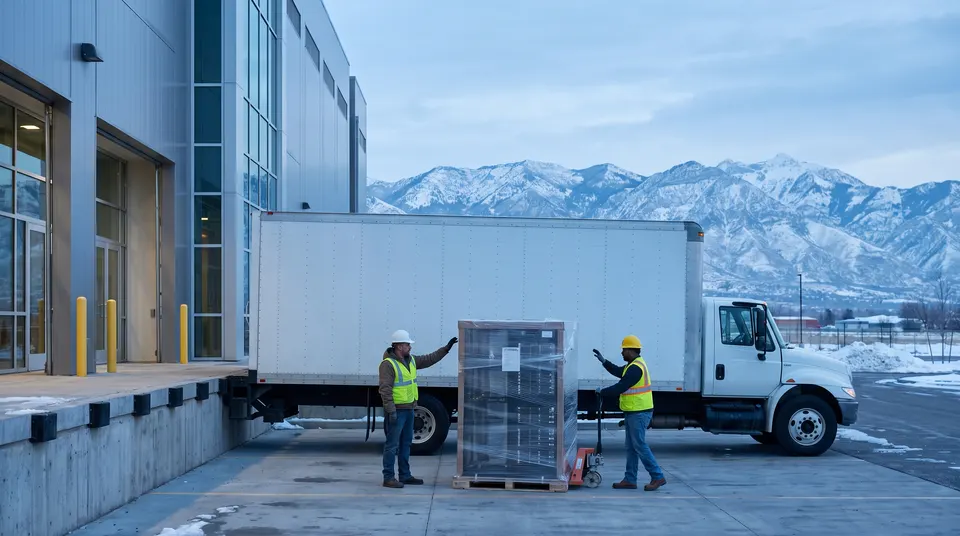
The problem is not the truck. It is the gap between trucks.
Most operators can find a carrier. What they cannot easily find is a single party who owns the asset from the moment it leaves the rack until the moment its disposition is documented, across three or four separate companies, without the paper trail breaking at every seam.
That gap is where assets go missing, where serial numbers stop matching the manifest, and where an auditor finds a hole nine months later. NexWave exists to close it. We are the orchestrator: one dispatcher, one manifest, and one accountable relationship no matter how many facilities the load passes through on its way to secure storage or final disposition.
What moves under this service
- Full racks and populated cabinets, de-racked or rolled intact
- Loose servers, switches, and network gear on palletized loads
- Drives and other data-bearing media under sealed, itemized custody
- UPS units, PDUs, batteries, and other heavy plant requiring rigging
- Inbound receiving and staging for a refresh, not only outbound removal
Loads are matched to the equipment: air-ride and liftgate for sensitive gear, flatbed and rigging crews for plant that has to be skated or craned off a pad.
Six steps, and the first three happen before a wheel turns.
Site walk and load plan
Someone walks your floor before they quote it. Dock height, door widths, elevator capacity, floor loading, and the turn at the end of the hot aisle.
Dock and window coordination
Arrival windows are booked against your dock schedule and your change control, not against a carrier dispatch board. Night and weekend windows are normal work here.
Rigging and packing
Crews de-rack, shrink and strap, and label to the manifest at the point of pick. Data-bearing media is separated, itemized, and sealed before it leaves the room it was pulled in, which is the only moment that separation is ever cheap.
Transport and confirmed receipt
Insured carriage, GPS tracking on the load, and a receiving signature captured against the same manifest that left your dock. Any variance between what shipped and what arrived is reconciled before the next leg is dispatched.
Documentation you can hand over
Manifests, bills of lading, custody signatures, and downstream receipts assembled as one record per project rather than five PDFs from five vendors.
What chain of custody means here, precisely
NexWave is an orchestrator, not a certified processor, and the distinction shows up in exactly what we will claim. We are accountable for insured and GPS-tracked transport, for custody signatures at every handoff, and for one unbroken set of documentation across the whole route.
Sanitization and destruction certificates are issued by the certifying facility that performs the work, never by us. Every credential in the network is attributed by name, facility, and expiry at our verification standard, so you can see whose certification is actually carrying your risk.
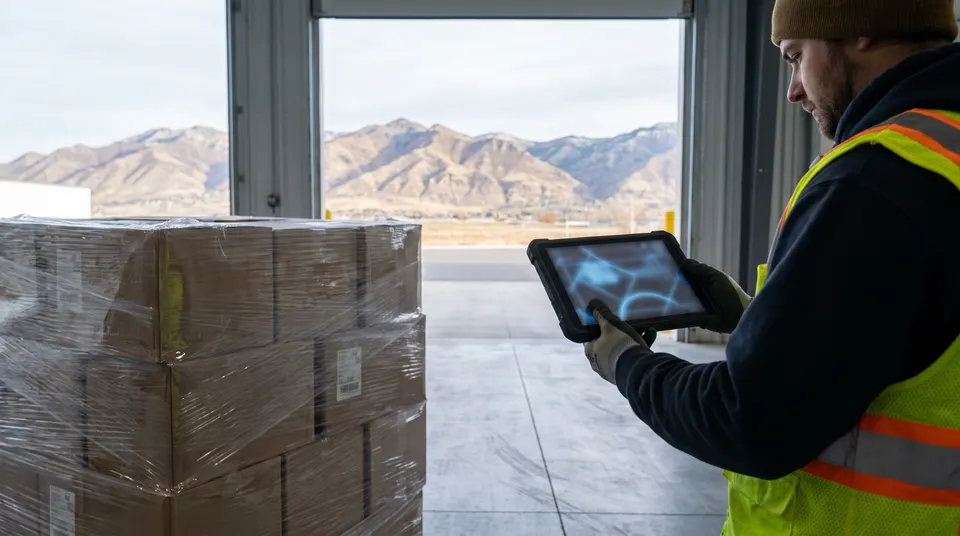
Short legs cost less, and the savings are real money.
When storage, processing, and recycling all sit inside your facility's own market, the legs between them are short, the dock hours your staff spend babysitting freight collapse, and the per-move transport bill falls. In the illustrative model, routing the outbound work locally returns $288K in operational cost reduction to the operator, from dock labor and shortened transport legs alone.
Illustrative model: 100MW facility.
Have something leaving the floor?
Send the rack count and the window. We will walk the site and scope the route through to disposition.